

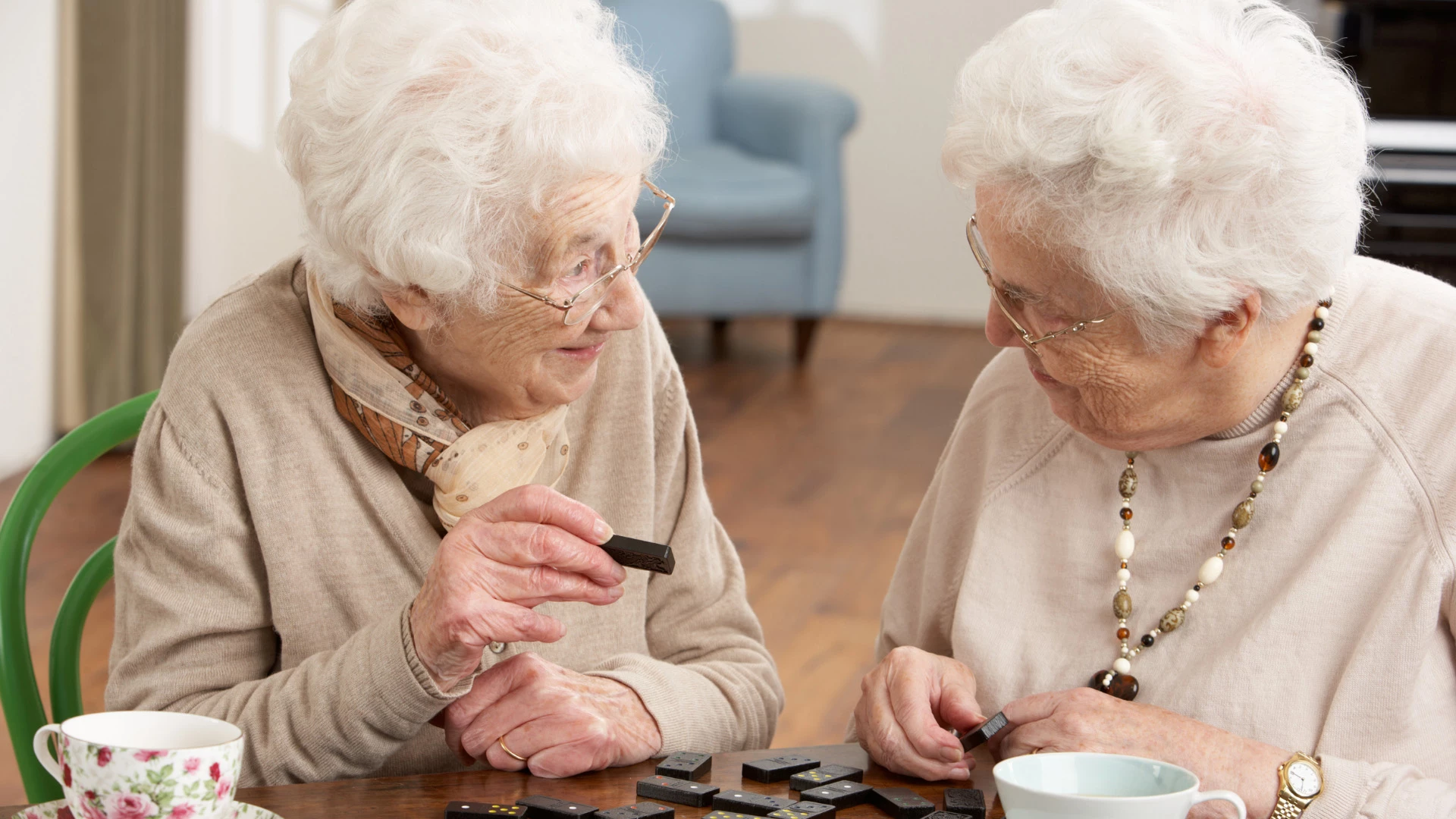
In long-term care, wellness isn’t just about monitoring health — it’s about nurturing joy, dignity, connection, and a sense of self. At Oakwood Manor, we believe every resident deserves not only professional care, but also daily moments that support their body, ease their mind, and uplift their spirit.
That’s why our care philosophy goes far beyond checklists and medications. Through daily routines, personalized programming, and deep relationships, we work to create an environment where residents can thrive — physically and emotionally — every single day.
In this blog:
- Moving with purpose: Supporting physical well-being
- Emotional wellness: Care for the heart and mind
- The power of music: A weekly favourite
- Personalizing care through activity and attention
- Why physical and emotional well-being are deeply connected
- The role of sleep, nutrition, and daily rhythm in well-being
- The ripple effect: what families notice
- A whole-person approach, every day
Moving with purpose: Supporting physical well-being
Staying active is one of the most important factors in ageing well. While many older adults in long-term care face physical challenges, movement is still possible — and essential. At Oakwood Manor, we make gentle, enjoyable activity part of everyday life.
We offer:
- Daily seated fitness classes focused on strength, flexibility, and circulation.
- Stretching and balance exercises to prevent falls and improve mobility.
- Group walking sessions that encourage fresh air and social connection.
- Chair-based dance or yoga-inspired movement, often paired with music.
- Gardening activities that promote dexterity, sensory stimulation, and purpose.
These activities are designed to meet residents where they are — whether they use a wheelchair, walker, or are recovering from a hospital stay. The goal isn’t athletic performance; it’s daily movement that keeps the body active, improves mood, and maintains independence for as long as possible.
Physical wellness also includes rest, hydration, nutrition, and comfort. Our nursing and care teams monitor pain, sleep quality, and any changes in mobility. We partner with physiotherapists and occupational therapists, as needed, to ensure every resident’s plan of care evolves with their needs.
Chronic diseases are a common challenge among Canadian seniors, and understanding their impact is key to providing compassionate, comprehensive care that supports both physical and emotional well-being. Learn more in the Aging and Chronic Diseases profile from the Government of Canada.
Emotional wellness: Care for the heart and mind
Physical health is just one part of well-being. Emotional wellness is equally vital — especially for older adults navigating change, loss, or memory challenges. That’s why Oakwood Manor places just as much emphasis on mental and emotional support as we do on physical care.
We begin by building relationships. Our team members take the time to get to know each resident — their routines, preferences, life stories, and emotional triggers. This understanding helps us offer support that’s both compassionate and proactive.
Some of the ways we promote emotional well-being include:
- Companion programs that offer one-on-one visits with team members or trained volunteers.
- Spiritual care and multi-faith support for those who find comfort in reflection or prayer.
- Regular video calls and in-person visits with family members to reduce feelings of isolation.
- Group activities like coffee clubs, storytelling circles, and baking sessions.
- Peer social groups that foster community and shared experience.
Our team members are trained to recognize early signs of emotional distress, such as withdrawal, mood changes, or agitation. When concerns arise, we offer both informal emotional support and access to professional care through our social workers and mental wellness partners.
Maintaining good mental health is a crucial part of healthy ageing, and simple daily practices can help seniors stay emotionally resilient and engaged throughout their long-term care journey. For practical tips, visit mental health tips for healthy aging.
The power of music: A weekly favourite
Among the many group activities offered at Oakwood Manor, music therapy is a standout. It’s not just entertainment — it’s therapeutic, emotionally resonant, and universally accessible.
Every week, we host live or recorded music sessions featuring sing-alongs, piano performances, or themed playlists that bring residents together. Music often transcends cognitive and physical limitations — even residents who have difficulty speaking or remembering words can sing entire verses of a beloved song.
These sessions:
- Reduce anxiety and agitation.
- Improve mood and social engagement.
- Trigger positive memories and emotional expression.
- Help build community and connection through shared experience.
It’s common to see eyes light up, toes tapping, and spontaneous moments of joy during music therapy. For many residents, it’s a highlight of the week — and a reminder that the spirit remains vibrant, no matter the challenges.

Personalizing care through activity and attention
No two residents are alike — so no two care plans should be, either. At Oakwood Manor, we personalize activities based on resident interest profiles, which include hobbies, life history, cultural background, cognitive level, and mobility status.
For residents with limited mobility or dementia, we offer:
- One-to-one visits for companionship, hand massage, or reading.
- Tactile sensory stations that include soft fabrics, scented oils, and interactive textures.
- Soothing sounds and music, either ambient or resident-chosen.
- Pet therapy and doll therapy, which can offer comfort and emotional grounding.
For residents who are more cognitively aware or socially active, we offer:
- Group trivia, word games, or current event discussions.
- Volunteering opportunities within the residence (like folding linens or helping set the table).
- Leadership roles in resident councils or activity planning.
- Art and creative workshops, including painting, crafts, or writing.
This tailored approach ensures that each resident experiences a sense of control, connection, and purpose — no matter their abilities or stage of life.
Why physical and emotional well-being are deeply connected
When it comes to senior health, physical and emotional well-being are often treated separately — but in reality, they’re deeply intertwined. Research consistently shows that what supports the body also uplifts the mind, and vice versa.
For example, regular movement — even gentle stretching — helps boost mood-regulating chemicals like serotonin and endorphins. Physical activity can also improve sleep, reduce pain, and increase energy levels, all of which support emotional stability.
Conversely, emotional distress — such as loneliness, anxiety, or depression — can impact appetite, motivation, and the ability to participate in daily care routines. It can even weaken the immune system or lead to cognitive decline when left unaddressed.
A holistic approach to care recognizes this connection. Promoting well-being means looking at the whole person — not just their medical chart. It includes creating calm environments, encouraging meaningful relationships, and offering opportunities for joy and agency.
Understanding this mind-body link helps families make better decisions when supporting a loved one in long-term care. Prioritizing both physical and emotional health isn’t a luxury — it’s a foundation for dignity, resilience, and quality of life.
The role of sleep, nutrition, and daily rhythm in well-being
While care in long-term settings often emphasizes safety and medical needs, daily lifestyle factors like sleep, nutrition, and routines play just as crucial a role in a resident’s overall well-being.
For older adults, consistent, restorative sleep helps regulate mood, reduce irritability, and support immune function. But in long-term care, sleep can be disrupted by unfamiliar surroundings, medication side effects, or nighttime noise. A supportive environment that encourages a calming bedtime routine, low-light settings, and limited disruptions can help protect this vital part of wellness.
Nutrition is another pillar of physical and emotional health. Meals that are not only nourishing but also enjoyable and familiar support physical strength, reduce risk of malnutrition, and offer emotional comfort. Balanced meals — especially those that are flavourful, culturally relevant, and shared in a social setting — help restore dignity and pleasure in daily life.
Even predictable daily rhythms have therapeutic value. Waking up at the same time, eating together, and engaging in small rituals like reading or teatime help orient residents and reduce anxiety. These elements build a sense of continuity and belonging — which is especially important for those living with memory challenges.
When long-term care honours these essential lifestyle factors, it supports both the body and the heart — creating not just safety, but a true sense of home.
The ripple effect: What families notice
Families often express surprise at how quickly their loved ones re-engage with life once they settle into Oakwood Manor. After a hospital stay or a difficult time living alone, the change can be dramatic — and deeply reassuring.
We regularly hear that residents seem “lighter,” more talkative, and more confident in their routines. Some regain weight, start participating in group events, or rediscover hobbies they’d long forgotten. Others may simply smile more, sleep better, or express less worry.
These small shifts reflect something powerful: that with the right support, life doesn’t stop in long-term care — it evolves.
A whole-person approach, every day
Supporting well-being at Oakwood Manor is a daily commitment. It happens in the little things — a warm hello, a shared laugh at bingo, a walk in the garden, or a quiet moment with someone who needs extra care.
But it also happens through structured programs, intentional planning, and a deep respect for the whole person. Our nurses, care aides, recreation, and hospitality teams all work together to create an environment that doesn’t just meet needs — it nurtures lives.
We don’t believe in busywork or one-size-fits-all activity calendars. Instead, we focus on meaningful engagement, physical vitality, emotional wellness, and the social bonds that make life worth living.
Learn more about our approach
If you’re exploring long-term care for a loved one, we encourage you to learn more about how Oakwood Manor supports residents every step of the way. Contact us or Book a Tour to discover how compassionate care and a true sense of community come together at Oakwood Manor—creating a life of comfort, dignity, and meaningful moments for your loved one.
Continue your journey here
Looking to take the next step or simply stay connected? Here are a few helpful links:
- Contact us – We’re happy to answer any questions you may have.
- Book a tour – Come experience our community in person.
- Virtual tour – Discover the warmth of our community from wherever you are.
- Visit our YouTube channel – See daily life, special moments, expert interviews and resident stories in action.
About Oakwood Manor
Nestled in the heart of Victoria, Oakwood Manor is a boutique long-term care community committed to providing compassionate, person-centred support. Designed for seniors who require full-time care, Oakwood Manor offers a safe and nurturing environment where residents feel truly at home. The community features private and semi-private rooms, 24-hour nursing care, and tailored services that honour each individual’s dignity, preferences, and wellness needs. As part of the Optima Living family—with over 15 years of experience in senior care across Western Canada—Oakwood Manor upholds a legacy of respect, empathy, and doing the right thing. Here, residents and their families find peace of mind knowing their loved ones are supported every day with heartfelt care and connection.